
As the colder months approach, a reliable heating system becomes essential for comfort and wellbeing in your home. Yet many homeowners overlook early warning signs until the system fails completely, often at the most inconvenient time. Recognising these indicators promptly can prevent costly repairs, improve efficiency, and ensure your family stays warm and safe. If you are experiencing any of these issues, it may be wise to arrange a professional heating service to diagnose and resolve the problem before it escalates.
Modern heating systems are complex and designed to run quietly and efficiently. When they start behaving unusually, it is rarely a minor glitch that will resolve itself. Early intervention not only extends the lifespan of your boiler or furnace but also helps maintain lower energy bills and better indoor air quality.
Unusual Noises Coming from Your Heating System
One of the most common and noticeable signs is strange sounds. A well-functioning system should operate with minimal noise. Clicking, banging, whistling, or rumbling often points to underlying mechanical issues.
Banging or knocking noises frequently indicate air trapped in the pipes or expanding metal components under stress. Whistling or hissing can suggest a leak in the ductwork or a problem with the pressure valve. Grinding or squealing sounds typically mean worn bearings or a failing motor. Ignoring these auditory clues allows minor wear to develop into major component failure. A qualified technician can pinpoint the source quickly and carry out targeted repairs.
Inconsistent or Uneven Heating
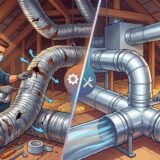
Do some rooms feel like saunas while others remain chilly? Uneven heating is a clear red flag. This issue commonly stems from blocked vents, leaky ducts, or problems with the circulation pump. In larger homes, it may also indicate that the system is undersized for the property or that insulation has deteriorated.
Thermostatic radiator valves that no longer respond properly or a failing zone valve can create cold spots. Over time, this not of only reduces comfort but forces the system to work harder, increasing wear and energy consumption. Professional assessment often reveals simple fixes such as balancing radiators or cleaning out debris that has accumulated over years of use.
Rising Energy Bills Without Increased Usage
A sudden spike in your heating costs is one of the most telling financial indicators that something is amiss. When a system loses efficiency, it must run longer and harder to reach the desired temperature. Common culprits include dirty filters, failing heat exchangers, or worn insulation around ducts.
Older systems naturally become less efficient, but even relatively new installations can develop problems if maintenance has been neglected. A professional inspection typically includes checking combustion efficiency, airflow, and electrical components. Addressing these issues early can yield noticeable savings on bills within the first season after servicing.
Frequent On/Off Cycling
Short cycling—when your heating system turns on and off more often than normal—places considerable strain on components. This behaviour often results from an oversized system, a faulty thermostat, or restricted airflow caused by a clogged filter or blocked vents.
In some cases, it signals a more serious safety concern, such as inadequate combustion or a failing limit switch. Rapid cycling not only wastes energy but can lead to premature failure of expensive parts like the heat exchanger. Technicians use specialized equipment to measure cycle times and diagnose the root cause accurately.
Weak Airflow or Poor Air Quality
If the airflow from your vents feels noticeably weaker than before, the system may be struggling. Dust, pet hair, and debris can restrict filters and coils, reducing performance dramatically. In severe cases, this leads to overheating and automatic shutdowns for safety.
Poor air quality, including excessive dust, musty odours, or dry air, can also indicate problems. A failing heat exchanger might introduce combustion by-products into the living space, while Mold in the ductwork compromises health, particularly for allergy sufferers or those with respiratory conditions. Comprehensive cleaning and inspection by professionals restore both performance and air purity.
Visible Signs of Wear or Corrosion
Physical inspection around your boiler or furnace can reveal important clues. Rust, corrosion, or water leaks around the unit suggest internal issues that require immediate attention. Discoloured or sooty patches near the exhaust flue are particularly concerning, as they may indicate incomplete combustion and potential carbon monoxide risks.
While some external signs are visible to homeowners, internal problems—such as cracked heat exchangers—require specialist diagnostic tools. Never attempt to dismantle components yourself, as this can void warranties and create safety hazards.
Persistent Thermostat or Control Problems
Modern heating systems rely on accurate controls. If you find yourself constantly adjusting the thermostat without seeing a corresponding change in temperature, or if the system fails to respond to programmed schedules, the controls may be faulty. Wiring issues, sensor failure, or compatibility problems with smart thermostats can all contribute.
A professional service includes calibrating controls and ensuring seamless integration with the rest of the system for optimal performance.
Age and Lack of Regular Maintenance
Even without obvious symptoms, systems over ten to fifteen years old often benefit from professional evaluation. Efficiency standards have improved significantly, meaning older units consume far more energy than modern equivalents. Regular servicing not only identifies hidden wear but also keeps the system operating safely and efficiently throughout its intended lifespan.
Why Prompt Professional Attention Matters
Delaying action when you notice these signs can transform a minor repair into a full system replacement. Beyond financial implications, there are important safety considerations. Faulty heating appliances are a leading cause of carbon monoxide incidents, which are invisible and potentially lethal.
Investing in timely professional care provides peace of mind. Technicians not only fix immediate problems but offer expert advice on maintenance schedules, potential upgrades, and energy-saving improvements tailored to your property.
Maintaining Your Heating System Year-Round
Prevention remains the most effective strategy. Annual servicing, filter changes, and simple homeowner checks (such as bleeding radiators and keeping vents clear) keep systems running smoothly. Combining routine care with prompt response to warning signs ensures reliable warmth, lower running costs, and a healthier indoor environment.
If your heating system is showing any of the signs discussed, do not wait for a complete breakdown. Early professional intervention saves time, money, and stress while protecting your home and family.
Staying attentive to your heating system’s performance throughout the year helps you enjoy consistent comfort without unexpected disruptions. A well-maintained system delivers dependable service for longer and contributes to a more energy-efficient and sustainable home.