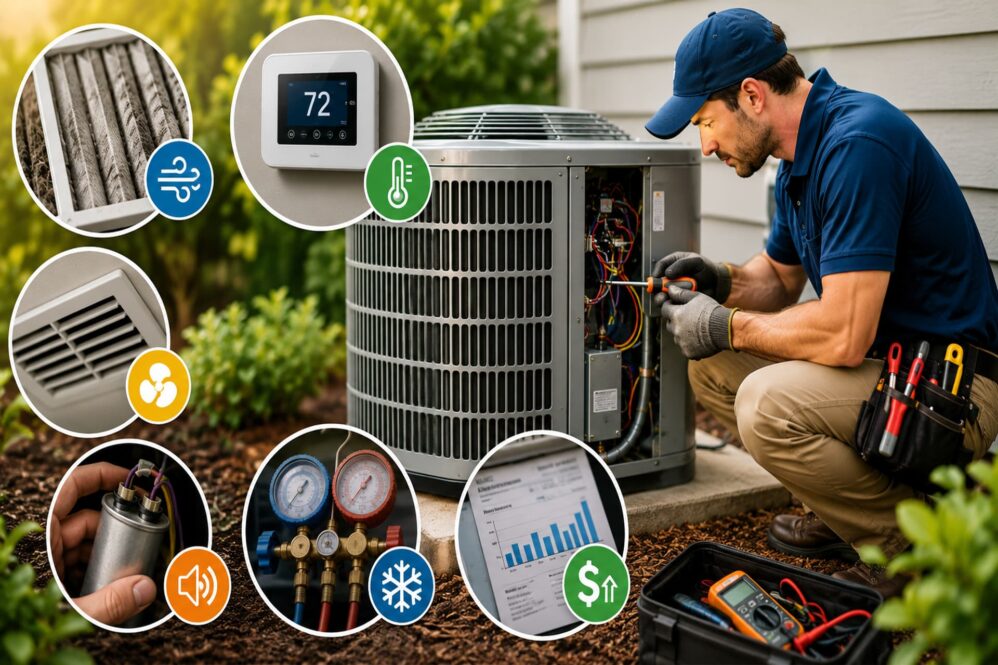
Discover simple HVAC troubleshooting tips that help homeowners fix common heating and cooling problems, improve airflow, lower energy bills, maintain indoor comfort, and prevent costly repairs through smarter seasonal maintenance practices.
Introduction
Modern HVAC systems work hard throughout the year to keep homes comfortable, healthy, and energy efficient. Whether it is the middle of summer or a cold winter evening, homeowners rely heavily on heating and cooling systems to maintain consistent indoor temperatures. When something goes wrong, even a small issue can quickly affect comfort, airflow, indoor air quality, and monthly utility bills.
The good news is that many common HVAC problems start with simple warning signs. Weak airflow, strange noises, uneven temperatures, or rising energy costs often point to issues that can be identified early with basic troubleshooting. Understanding these problems helps homeowners take quick action before small concerns turn into expensive repairs or complete system breakdowns.
This HVAC troubleshooting guide explains the most common heating and cooling issues, what causes them, and the simple solutions homeowners can try before calling a professional technician.
Weak Airflow Throughout the Home
Poor airflow is one of the most common HVAC complaints. Some rooms may feel stuffy while others remain too warm or too cold. Weak airflow also forces the HVAC system to work harder, increasing energy consumption and reducing efficiency over time.
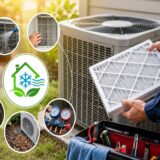
In many cases, dirty air filters are the main cause. Filters clogged with dust, pet hair, and debris restrict airflow and place extra strain on the system. Replacing the filter every one to three months can immediately improve circulation and indoor air quality.
Blocked vents and closed registers can also create airflow problems. Furniture, rugs, or curtains covering vents prevent conditioned air from moving freely through the home. Checking each vent and ensuring it remains open and unobstructed often solves uneven airflow issues.
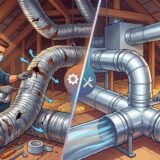
If airflow problems continue after replacing filters and clearing vents, the issue may involve duct leaks, blower motor problems, or dirty evaporator coils. These situations usually require professional HVAC inspection and maintenance.
Uneven Temperatures Between Rooms
Many homeowners notice that some rooms stay cooler or warmer than others. Uneven temperatures are frustrating because they make certain areas uncomfortable while increasing energy usage across the entire system.
Several factors contribute to inconsistent temperatures. Poor insulation, blocked vents, dirty filters, and improperly sized HVAC systems are common causes. Sunlight exposure can also affect room temperatures, especially in upper floors or rooms with large windows.
Start by checking airflow in each room. Ensure vents are fully open and clean. Adjusting ceiling fans can also help distribute conditioned air more evenly throughout the house. During summer, ceiling fans should rotate counterclockwise to improve cooling efficiency.
Programmable thermostats and zoning systems can further improve temperature balance. These systems allow homeowners to control temperatures more accurately in different parts of the home while reducing unnecessary energy use.
If uneven temperatures persist year-round, professional duct inspection may be necessary to identify airflow restrictions or insulation gaps.
Strange HVAC Noises and What They Mean
HVAC systems naturally make some operational sounds, but loud or unusual noises usually indicate developing mechanical problems. Ignoring these sounds often leads to larger repairs later.
Different noises can signal different issues:
- Banging noises may indicate loose or broken components.
- Squealing sounds often point to worn belts or motor issues.
- Rattling may suggest loose panels or debris inside the unit.
- Buzzing can result from electrical problems or failing capacitors.
- Clicking sounds during startup may involve thermostat or relay issues.
Homeowners should first check for loose screws, debris around the outdoor unit, or dirty filters. Sometimes simple cleaning and tightening panels resolve minor sounds quickly.
However, persistent or increasingly loud noises should never be ignored. Mechanical failures inside compressors, motors, or electrical components require professional diagnosis to prevent serious system damage.
Thermostat Problems That Affect Comfort
The thermostat acts as the control centre for the entire HVAC system. When it malfunctions, the heating or cooling system may cycle incorrectly, fail to maintain temperatures, or stop working altogether.
One common issue is incorrect thermostat settings. Homeowners sometimes accidentally switch between heating and cooling modes or set temperatures improperly during seasonal transitions.
Dead batteries are another simple but overlooked problem in many digital thermostats. Replacing batteries can often restore proper function immediately.
Thermostat placement also matters. Devices installed near windows, direct sunlight, kitchens, or heat-producing appliances may read inaccurate temperatures and cause uneven comfort throughout the home.
If the HVAC system does not respond correctly after checking settings and batteries, recalibration or replacement may be necessary. Smart thermostats can improve efficiency by learning household routines and automatically adjusting temperatures for better comfort and energy savings.
Rising Energy Bills Without Increased Usage
Unexpectedly high utility bills often indicate hidden HVAC inefficiencies. Heating and cooling systems account for a large portion of household energy use, so even small performance issues can significantly affect monthly costs.
Dirty filters, leaking ductwork, aging components, and neglected maintenance commonly reduce efficiency. Refrigerant issues can also force air conditioning systems to run longer while producing less cooling power.
Seasonal HVAC maintenance is one of the best ways to control energy costs. Professional tune-ups help clean components, inspect refrigerant levels, test airflow, and ensure the system operates efficiently before peak seasons arrive.
Homeowners can also reduce energy consumption by:
- Sealing air leaks around doors and windows
- Using programmable thermostats
- Improving attic insulation
- Keeping outdoor units free from debris
- Scheduling regular HVAC inspections
Small efficiency improvements often create noticeable savings over time while extending equipment lifespan.
HVAC System Constantly Turning On and Off
Short cycling happens when the HVAC system repeatedly starts and stops without completing a full heating or cooling cycle. This problem increases wear on system components and reduces energy efficiency.
Dirty air filters are again one of the most common causes. Restricted airflow forces the system to overheat or cool improperly, triggering shutdowns.
Oversized HVAC systems can also short cycle because they heat or cool spaces too quickly without maintaining stable temperatures. Thermostat problems, frozen coils, and refrigerant leaks may contribute as well.
Homeowners should begin by replacing filters and checking thermostat settings. Outdoor condenser units should remain clean and free from leaves, dirt, or debris that restrict airflow.
Persistent short cycling requires professional attention because ongoing strain can damage compressors and other expensive components.
Poor Indoor Air Quality and Excess Dust
Indoor air quality directly affects comfort, health, and HVAC efficiency. Excess dust, humidity issues, stale air, and allergy symptoms often indicate airflow or filtration problems within the system.
Dirty filters allow dust and airborne particles to circulate throughout the home. Humidity imbalances can also encourage mould growth and create uncomfortable indoor conditions.
Regular HVAC maintenance helps improve indoor air quality by keeping filters, ductwork, coils, and ventilation systems clean. Air purifiers, humidity control systems, and upgraded filtration systems can further support healthier indoor environments.
Homeowners should also pay attention to signs like persistent odours, excessive dust buildup, or increased allergy symptoms. These warning signs often suggest airflow restrictions or ventilation issues that need professional evaluation.
When Homeowners Should Call an HVAC Professional
Basic troubleshooting can solve many common HVAC issues, but some situations require professional expertise. Delaying repairs in these cases can lead to higher repair costs, safety risks, or complete system failure.
Homeowners should contact a professional HVAC technician if they notice:
- Refrigerant leaks
- Burning smells
- Electrical issues
- Frozen evaporator coils
- Persistent short cycling
- Loud mechanical noises
- Complete system shutdowns
- Weak airflow after filter replacement
Professional technicians have the tools and experience needed to safely diagnose and repair complex HVAC problems while protecting long-term system performance.
Reader Questions
How often should HVAC air filters be replaced?
Most HVAC air filters should be replaced every one to three months depending on system usage, pets, allergies, and indoor air quality conditions.
Why is my HVAC system blowing warm air?
Warm air may result from thermostat settings, dirty filters, refrigerant problems, or electrical issues affecting the cooling system.
What causes uneven temperatures in a home?
Uneven temperatures often result from blocked vents, insulation problems, dirty filters, duct leaks, or improper HVAC sizing.
Is it normal for HVAC systems to make noise?
Some operational noise is normal, but loud banging, squealing, buzzing, or rattling sounds usually indicate mechanical or electrical problems.
When should I schedule HVAC maintenance?
Professional HVAC maintenance is typically recommended twice yearly, usually before summer cooling and winter heating seasons begin.
Conclusion
HVAC systems rarely fail without warning. Most heating and cooling problems begin with small signs such as weak airflow, uneven temperatures, rising energy bills, or unusual noises. Recognising these early symptoms allows homeowners to take simple corrective steps before problems become expensive repairs.
Routine HVAC maintenance remains one of the most effective ways to improve system efficiency, reduce breakdowns, and extend equipment lifespan. Replacing air filters, keeping vents clear, monitoring thermostat performance, and scheduling seasonal inspections all contribute to better indoor comfort and lower operating costs.
By understanding how HVAC systems function and responding quickly to common issues, homeowners can maintain healthier, more comfortable living environments throughout every season.