
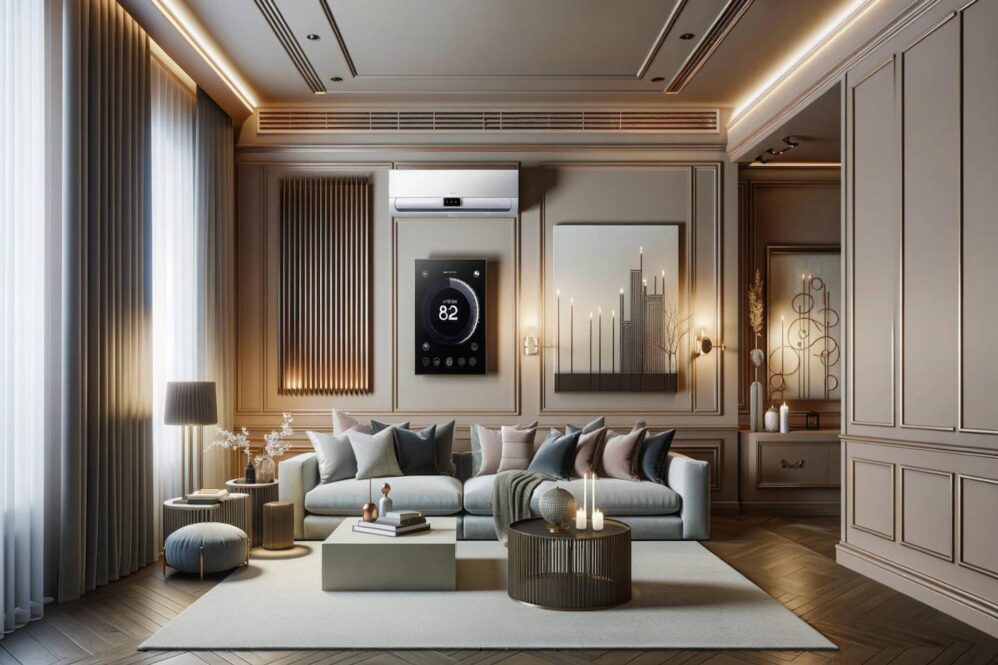
Designing a home or commercial interior is no longer just about colours, furniture, and aesthetics. Today, hidden systems behind the walls often determine how a space actually functions. Among these systems, heating, ventilation, and air conditioning (HVAC) play one of the most influential roles.
Interior designers and architects now collaborate closely with engineers and specialists, including an experienced HVAC contractor in Naples, FL, to ensure that air circulation, thermal comfort, and energy efficiency integrate seamlessly with visual design.
From ceiling heights and furniture placement to room orientation and architectural layout, HVAC considerations influence nearly every decision in modern interiors. When done correctly, the result is a space that looks beautiful while maintaining optimal comfort and air quality.
The Invisible Infrastructure Behind Interior Comfort
At first glance, HVAC systems appear purely mechanical. However, they form the invisible infrastructure that enables interiors to function comfortably year-round. Without careful planning, heating and cooling systems can disrupt layout choices, limit furniture placement, or even affect architectural design.
Modern interior design increasingly incorporates HVAC planning from the earliest stages of development. Architects and designers recognise that airflow patterns, duct placement, and mechanical access points directly influence spatial organisation.
For instance, a poorly positioned duct system can force designers to lower ceilings or add bulky soffits that interrupt visual harmony. Conversely, a well-planned system allows designers to maintain open layouts, high ceilings, and minimalist interiors without sacrificing climate control.
Design professionals frequently consult with a qualified HVAC contractor in Naples, FL, to ensure that airflow efficiency and aesthetic goals remain aligned. This collaboration helps prevent costly redesigns later in the construction process.
How HVAC Layout Influences Room Configuration
Room arrangement is one of the most significant aspects of interior planning, and HVAC systems directly shape how spaces are organised. Airflow must circulate evenly throughout a building, which means that vent placement and return-air pathways must be carefully considered.
When HVAC design is integrated early, it allows for flexible and efficient room layouts. However, if systems are added later in the process, designers often need to modify their original plans to accommodate ducts, vents, and equipment.
Several spatial factors are affected by HVAC systems. Because of these technical considerations, interior designers often coordinate layout strategies with engineers or a trusted HVAC contractor in Naples, FL to ensure each room maintains balanced temperature control without compromising visual flow.
Ceiling Design and the Hidden Impact of Ductwork
Ceilings are often among the most visually striking architectural elements in an interior. Coffered ceilings, recessed lighting, and dramatic height variations can transform the perception of space. However, HVAC ductwork often determines how ceilings can be constructed.
Large ducts require vertical space, which can limit ceiling height or require design modifications. In homes with open-plan layouts, poorly planned duct systems can create bulky soffits that interrupt clean architectural lines.
Fortunately, modern HVAC design solutions allow designers to maintain visual elegance while still accommodating necessary infrastructure. When interior designers work alongside mechanical specialists early in the design process, they can discreetly integrate ventilation into architectural features rather than treating it as an afterthought.
HVAC Systems and Furniture Placement Strategies
Furniture layout might seem unrelated to mechanical systems, yet HVAC placement significantly affects how furniture can be arranged. Air vents must remain unobstructed for proper circulation, which means large pieces of furniture cannot block supply or return vents.
This requirement influences where sofas, shelving units, and cabinets can be placed within a room. Interior designers often create furniture layouts that maintain airflow while still achieving visual balance.
For example, floor registers in living rooms may dictate the placement of rugs or seating arrangements. Wall-mounted return vents may influence where artwork, shelving, or cabinetry can be installed.
Professional guidance from an experienced HVAC contractor in Naples, FL ensures that designers understand airflow requirements while still achieving cohesive furniture arrangements. By planning ahead, designers can integrate vents into layouts without disrupting the overall aesthetic.
Open Floor Plans and the Challenge of Air Distribution
Open-concept interiors have become one of the most popular design trends in modern architecture. Large, connected living spaces create a sense of openness and encourage social interaction. However, these layouts also introduce new challenges for HVAC performance.
Large open spaces require balanced airflow to prevent temperature inconsistencies. Without proper planning, one area may feel too warm while another remains too cool.
Designers and HVAC professionals address these challenges through several strategic approaches. Collaboration between architects, interior designers, and HVAC specialists ensures that open layouts remain comfortable year-round without sacrificing architectural vision.
Vent Placement as a Design Element
Traditionally, vents and registers were purely functional components that designers attempted to hide. However, contemporary design trends increasingly treat ventilation elements as subtle architectural features.
Modern air vents come in a variety of finishes and styles that complement interior aesthetics. Designers may incorporate vents into flooring materials, wall panelling, or ceiling patterns to create a cohesive look. Instead of appearing as mechanical intrusions, these ventilation elements can enhance the design language of a space.
Energy Efficiency and Sustainable Interior Design
Sustainability has become a central focus of both architecture and interior design. HVAC systems play a major role in determining the overall energy efficiency of a building.
Efficient systems reduce energy consumption, improve indoor air quality, and contribute to environmentally responsible design practices. Interior layouts often adapt to support these energy-saving goals.
For example, designers may place frequently used rooms near natural light sources to reduce heating and cooling loads. They may also incorporate insulation strategies, shading elements, and airflow-friendly layouts to support efficient HVAC operation.
Indoor Air Quality and Its Influence on Interior Planning
Beyond temperature control, HVAC systems also influence indoor air quality, a growing priority for homeowners and businesses alike. Proper ventilation helps remove pollutants, regulate humidity, and maintain a healthy indoor environment.
Interior designers increasingly account for air purification systems, filtration units, and humidity control when planning layouts. Mechanical rooms, duct pathways, and ventilation zones must be carefully integrated into the architectural framework.
Additionally, designers often consider how materials interact with HVAC airflow. Certain finishes, textiles, and furnishings can trap dust or affect air circulation. Therefore, selecting breathable materials and maintaining proper ventilation pathways becomes part of the design strategy.
Technology Integration and Smart Interior Environments
Technology has transformed HVAC systems from simple mechanical equipment into sophisticated climate management systems. Smart thermostats, zoning systems, and automated climate controls now allow interiors to adapt dynamically to changing conditions.
These innovations influence how designers organise living spaces. For example, sensor placement must align with traffic patterns and airflow zones to ensure accurate temperature readings.
Interior designers often incorporate hidden control panels, discreet wall sensors, and integrated smart-home systems into their layouts. As a result, climate management becomes part of the broader technology ecosystem within the home.
Wrap Up
As architecture continues to evolve, HVAC systems will play an increasingly important role in shaping interior spaces. Advances in compact duct systems, radiant heating, and integrated ventilation technology are giving designers greater flexibility than ever before.
Future interior design will likely place even greater emphasis on comfort, sustainability, and smart environmental control. Instead of being treated as background infrastructure, HVAC systems will become a central element in architectural planning.
Design professionals already recognise that successful interiors require collaboration across disciplines. By working alongside architects and mechanical specialists, including a knowledgeable HVAC contractor in Naples, FL, designers can create spaces that balance aesthetics, comfort, and efficiency.