A leaking pipe can begin with a small water stain, a damp cabinet, or an unexplained increase in water usage. Although these signs may appear minor, they can indicate a plumbing problem that becomes more damaging if left unaddressed. Recognizing the early symptoms helps homeowners protect their property, limit water waste, and identify repairs before the situation becomes more serious.
Understanding when a leak requires immediate attention is equally important. If water is spreading quickly, a pipe has burst, or the source of a leak is difficult to locate, contacting an emergency plumber in Waterloo, IA may help address the problem promptly. Knowing what causes pipes to leak and which warning signs deserve attention can also help homeowners respond more effectively.
Why Do Plumbing Pipes Develop Leaks?
Plumbing systems carry water through a network of pipes, joints, valves, and fittings. Over time, these components can deteriorate, shift, or sustain damage. Some leaks develop gradually, while others appear suddenly because of pressure changes, freezing temperatures, or physical damage.
The location and severity of a leak often depend on the underlying cause. A loose connection beneath a sink may produce occasional drips, whereas a damaged supply line inside a wall can allow water to spread into surrounding materials. Identifying the likely cause is important because drying the visible area alone will not resolve the problem.
Common Causes of Leaking Pipes
Several factors can contribute to plumbing leaks, and more than one may affect an older or poorly maintained system.
Aging Pipes and Corrosion
Pipes can deteriorate as they age, particularly when their materials are susceptible to corrosion. Metal pipes may gradually weaken, develop rough patches, or form small openings that allow water to escape. Corrosion can be influenced by water chemistry, pipe material, and the surrounding environment.
Older plumbing systems deserve particular attention when leaks recur in different locations. Repeated repairs may indicate broader deterioration rather than an isolated fault. A professional assessment can help determine whether a damaged section needs repair or whether replacing part of the system would be a more practical long-term option.
High Water Pressure
Water pressure that exceeds the plumbing system’s intended operating range can place additional strain on pipes, connectors, valves, and appliance hoses. This stress may contribute to leaks, particularly at weak joints or aging components.
Homeowners may notice forceful water flow or recurring problems with plumbing connections, although these symptoms alone do not confirm excessive pressure. A plumber can measure the pressure and determine whether adjustments or repairs are appropriate.
Damaged Seals, Joints, and Connections
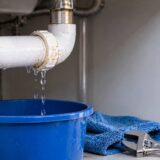
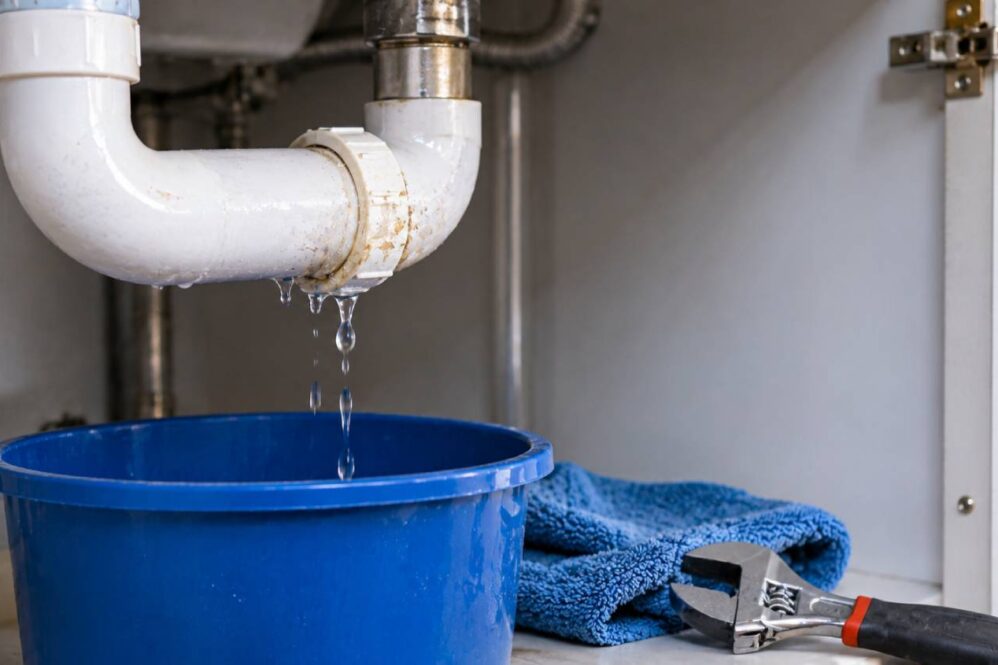
Not every leak originates in the pipe itself. Connections beneath sinks, around toilets, and near water heaters can develop leaks when washers, seals, or fittings deteriorate or become loose.
Temperature changes, vibration, installation problems, and ordinary wear can affect these components. Because connections are often hidden behind cabinets or near appliances, a small leak may remain unnoticed until moisture damages nearby materials.
Freezing Temperatures
Water expands when it freezes. If water inside a pipe freezes, the resulting pressure can damage the pipe or its connections. A crack may become apparent when the ice thaws and water begins flowing through the damaged section.
Pipes in unheated basements, crawl spaces, garages, and exterior walls can be especially vulnerable during cold weather. Insulation and appropriate winter preparation can reduce the risk, although they cannot eliminate every possibility of freezing.
Shifting Pipes and Physical Damage
Pipes can move because of building settlement, loose supports, vibration, or changes in surrounding structures. Excessive movement may strain joints and connections. Accidental damage during drilling, remodeling, or other household work can also puncture a pipe.
If a leak appears after construction or renovation, the location may provide a useful clue. However, the damaged section should be inspected before assuming that the cause is obvious.
Early Warning Signs of a Pipe Leak
Leaks do not always produce visible streams of water. Some develop behind walls, beneath flooring, or in other concealed areas, making early detection particularly important.
Watch for these warning signs:
- Unexplained water stains: Yellow, brown, or dark patches on ceilings and walls may indicate moisture from a leaking pipe.
- Persistent dampness: Wet cabinet bases, damp flooring, or moisture around plumbing fixtures can signal a hidden or active leak.
- Musty odors: A persistent earthy smell may indicate moisture accumulating in an enclosed space.
- Peeling paint or bubbling surfaces: Water trapped behind paint, wallpaper, or drywall can cause these materials to deteriorate.
- Unexpected changes in water usage: A higher-than-usual water bill or a water meter that continues moving when all fixtures are off may suggest a leak.
- Dripping sounds: Water running or dripping inside a wall when fixtures are not being used may warrant further investigation.
None of these signs proves that a pipe is leaking. Condensation, roof damage, drainage problems, and other sources can produce similar symptoms. If the cause is uncertain, an inspection can help identify where the moisture originates.
What Should You Do When You Suspect a Leak?
The appropriate response depends on how much water is escaping and whether it poses an immediate risk. If a leak is accessible and minor, homeowners may be able to limit the damage while arranging a repair. However, concealed leaks, damaged supply lines, and rapidly spreading water require greater caution.
First, locate the main water shutoff valve if it is safe to access and turn it off when necessary to stop the flow. If the leak affects only a fixture and its individual shutoff valve is accessible, that valve may be sufficient. Avoid entering flooded areas where electrical equipment or outlets may be exposed to water.
Next, move belongings away from the affected area and collect water with towels or containers if doing so is safe. Do not open wet walls, disturb structural materials, or attempt repairs beyond your experience. If water is spreading rapidly, a pipe has burst, or you cannot isolate the leak, seek urgent plumbing assistance.
Once the immediate situation is controlled, arrange for the damaged component to be identified and repaired. Drying visible water is important, but moisture may remain inside walls, insulation, or flooring. Addressing the source and assessing any resulting damage can help prevent further deterioration.
How Can Homeowners Reduce the Risk of Future Leaks?
Preventive maintenance cannot eliminate every plumbing failure, but it can help identify vulnerable components before they cause significant damage. Check accessible pipes and connections periodically, particularly beneath sinks, behind washing machines, near water heaters, and in basements or utility rooms.
During cold weather, protect exposed pipes with suitable insulation and keep vulnerable areas from becoming excessively cold. Before drilling into walls or undertaking renovations, establish where plumbing lines run. Avoid ignoring small drips or repeatedly tightening connections without identifying why they are leaking.
It is also sensible to know where the main water shutoff valve is located and ensure it remains accessible. If your home has aging pipes, recurring leaks, or unexplained moisture, consider a professional plumbing assessment. A plumber can help determine whether targeted repairs, pressure adjustments, or broader maintenance are appropriate.
FAQs
Q.1 Can a pipe leak without leaving visible water?
Yes. A pipe can leak behind a wall, beneath flooring, or inside a ceiling cavity without producing an obvious puddle. Damp patches, peeling paint, musty odors, and unexplained water usage may provide clues.
Q.2 Can high water pressure cause plumbing leaks?
Yes. Excessive pressure can place added stress on pipes, fittings, valves, and appliance connections. Measuring the pressure is the most reliable way to determine whether it exceeds the plumbing system’s intended range.
Q.3 Are small pipe leaks serious?
They can be. Even a slow leak may damage cabinets, flooring, drywall, or insulation over time. The seriousness depends on the leak’s location, duration, and rate of water loss.
Q.4 Should I turn off my home’s water supply if a pipe leaks?
If water is escaping actively or the leak cannot be isolated, shutting off the main water supply is generally a sensible step when it is safe to do so. For a small, localized leak, an accessible fixture shutoff valve may be sufficient.
Q.5 When should I call an emergency plumber for a leak?
Seek urgent assistance when a pipe bursts, water spreads rapidly, the source cannot be controlled, or flooding creates a potential electrical or structural hazard. If the situation is unsafe, keep away from the affected area and contact the appropriate emergency services when necessary.
Conclusion
Leaking pipes can result from corrosion, excessive water pressure, worn connections, freezing temperatures, or physical damage. Early signs such as damp surfaces, unexplained water usage, musty odors, and water stains deserve attention because visible symptoms may reveal a problem that extends beyond the affected area. Promptly controlling the water supply and identifying the cause can help limit damage.
Homeowners should inspect accessible plumbing periodically, prepare exposed pipes for cold weather, and avoid postponing repairs when warning signs appear. If a leak is severe, difficult to locate, or beyond your ability to manage safely, arrange a professional assessment to determine the appropriate repair and reduce the risk of recurring problems.