Bathroom plumbing issues often start small but can quickly escalate into costly repairs if left unchecked. From dripping taps to hidden leaks, these problems are not only inconvenient but can also affect water efficiency and hygiene. Understanding the most common challenges helps homeowners respond quickly and make informed decisions.
While some minor fixes can be handled independently, others require the knowledge and tools of a bathroom plumbing expert to ensure long-term solutions. Below are the most frequent bathroom plumbing problems and how to manage them effectively.
1. Dripping Taps That Waste Water
A dripping tap might seem minor, but it can waste hundreds of liters of water over time. The issue is usually caused by worn-out washers, seals, or internal components. Left unattended, it can increase water bills and cause unnecessary strain on fixtures.
Fixing a dripping tap often involves replacing the washer or cartridge inside the tap. However, if corrosion or internal damage is present, replacing the entire fixture may be more practical. Regular maintenance helps prevent recurrence and keeps fittings in good condition.
2. Slow or Blocked Drains
Blocked bathroom drains are among the most common plumbing complaints, and in such cases, consulting a bathroom plumbing expert can help quickly identify the root cause. Hair, soap residue, and debris build up over time, restricting water flow. This results in slow drainage and, eventually, complete blockage.
Simple solutions include using a plunger or a drain cleaner. However, repeated blockages may indicate deeper issues within the pipes. A professional inspection can identify whether there is a structural problem or a persistent buildup that requires specialized tools for removal.
3. Running Toilets and Water Waste
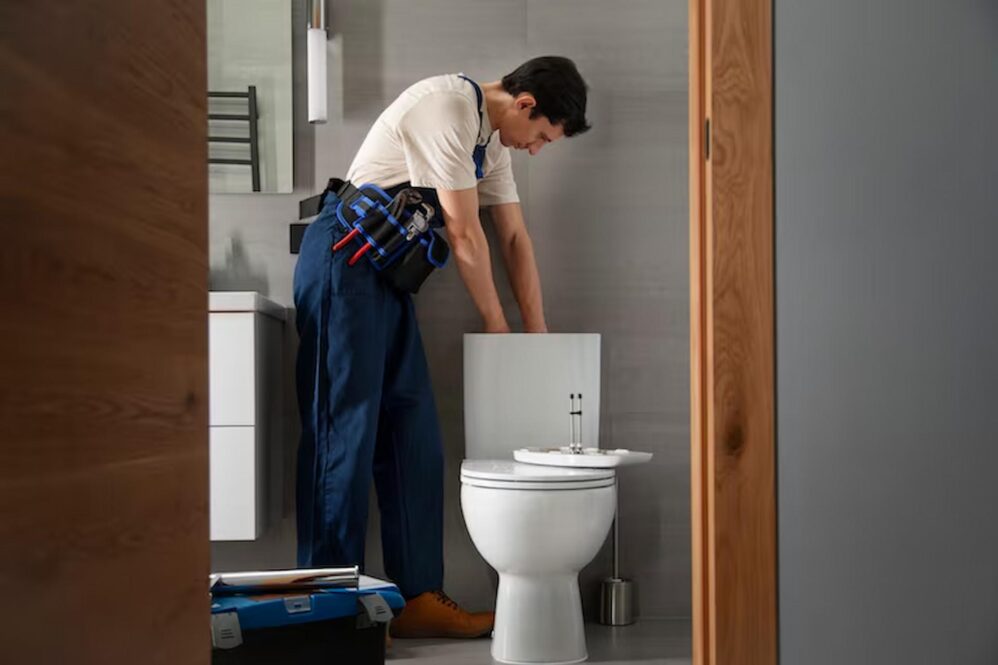
A continuously running toilet can waste a significant amount of water daily. The most common cause is a faulty flapper valve that fails to seal properly, allowing water to flow continuously.
Replacing the flapper or adjusting the float mechanism often resolves the issue. If the problem persists, it may be due to wear in other internal components. Addressing this early prevents excessive water bills and ensures efficient toilet operation.
4. Low Water Pressure Issues
Low water pressure in bathroom fixtures can be frustrating and may signal underlying plumbing concerns. Common causes include mineral buildup in pipes, leaks, or issues with the water supply system.
Cleaning aerators and showerheads can sometimes restore pressure. However, if the issue affects multiple fixtures, it may indicate a more serious problem such as pipe corrosion or hidden leaks. Professional diagnosis ensures accurate identification and resolution.
5. Leaking Pipes Behind Walls
Hidden leaks are among the most damaging plumbing issues. They often go unnoticed until visible signs appear, such as damp walls, mould growth, or a musty smell. These leaks can weaken structural integrity over time.
Detecting the source of a hidden leak requires specialised equipment. Once identified, repairing or replacing the affected pipe is essential. Early intervention prevents extensive damage and reduces repair costs.
6. Clogged Toilets and Frequent Overflows
Toilet clogs are not only inconvenient but can also lead to unsanitary conditions if they result in overflows. Common causes include excessive toilet paper use or flushing inappropriate items.
A plunger usually resolves minor clogs. However, recurring issues may indicate a blockage deeper in the plumbing system. In such cases, professional tools like drain augers or inspection cameras may be required to clear the obstruction effectively.
7. Faulty Showerheads and Inconsistent Flow
Showerheads can develop issues such as uneven water flow or spraying in different directions. This is often due to mineral deposits blocking the nozzles or internal wear over time.
Cleaning the showerhead with a descaling solution can restore normal flow. If the issue continues, replacing the unit is often the simplest solution. Choosing a high-quality fixture can also improve water efficiency and durability.
8. Water Heater Problems Affecting Bathrooms
Bathroom plumbing is closely linked to water heating systems. If you experience inconsistent hot water, it may indicate issues with the water heater rather than the plumbing itself.
Common problems include sediment buildup, thermostat faults, or ageing components. Regular servicing of the water heater ensures reliable performance and prevents sudden breakdowns that disrupt daily routines.
9. Mould and Mildew from Poor Ventilation
Although not a direct plumbing fault, poor ventilation combined with moisture from bathroom use can lead to mould and mildew. Leaks or condensation worsen the issue, creating an unhealthy environment.
Improving ventilation, promptly fixing leaks, and maintaining proper airflow are key to preventing mould growth. Addressing the root cause ensures a cleaner and safer bathroom space.
Conclusion
Bathroom plumbing problems are common, but they rarely resolve on their own. Small issues such as dripping taps or slow drains can quickly develop into larger concerns if ignored. Understanding these challenges allows homeowners to act early and minimize damage.
While basic fixes can be handled with simple tools, more complex problems require professional expertise. Investing in timely repairs and regular maintenance not only extends the life of your plumbing system but also ensures comfort, efficiency, and peace of mind.