
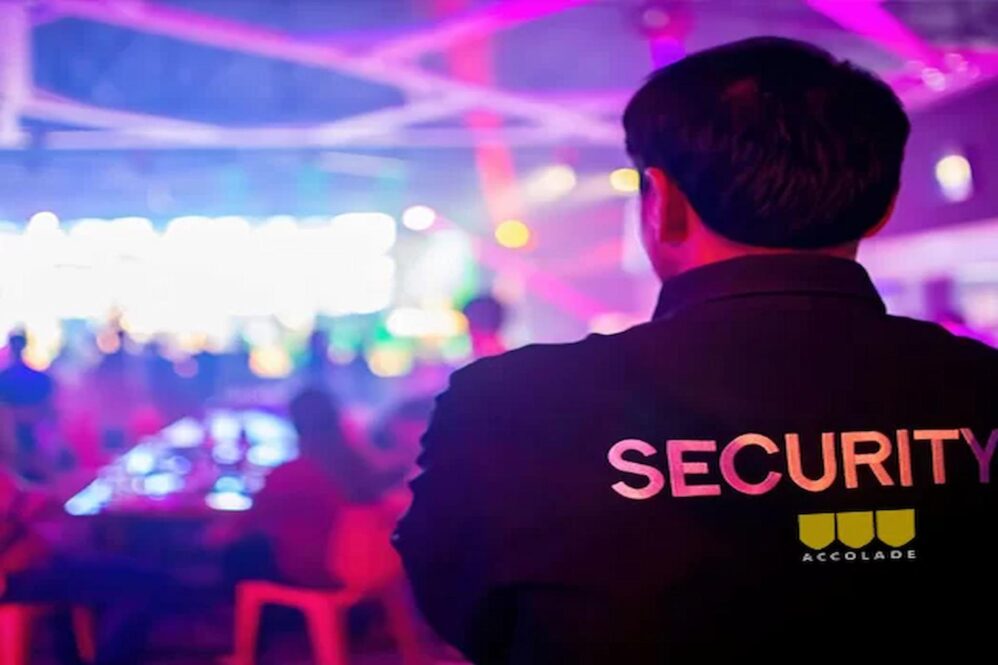
London hosts some of the world’s most high-profile events, from intimate gallery openings in Shoreditch to large-scale festivals in Hyde Park and corporate conferences in the City. With such diversity comes complexity. While many attendees notice only the visible presence of door staff, professional event security in London extends far beyond that initial checkpoint. It encompasses meticulous planning, layered risk management, and seamless coordination that ensures safety without disrupting the experience.
For organisers, partnering with experienced providers of London event security is essential to navigate the unique challenges of the capital’s venues, transport networks, and regulatory environment. Effective security protects people, property, and reputations while allowing events to run smoothly and memorably.
Understanding the Threat Landscape
London’s event security begins long before the first guest arrives. Professional teams conduct thorough risk assessments tailored to the specific event, location, and audience. Factors include the venue’s layout—whether a historic building with limited exits or a temporary structure in a park—expected crowd size, attendee demographics, and potential external threats.
Terrorism remains a considered risk in a global city like London, but so do more everyday issues: protest activity near key sites, traffic disruptions, or the challenges of managing alcohol at evening events. Security providers analyse intelligence from local police, review past incidents at similar venues, and identify vulnerabilities such as poor lighting or pinch points where crowds could build dangerously.
This pre-event phase also involves liaison with authorities. In central London, this might mean coordinating with the Metropolitan Police, Transport for London, or even the British Transport Police depending on the venue’s proximity to major stations. Clear communication channels and contingency plans are established early to avoid last-minute surprises.
Comprehensive Planning and Site Surveys
Beyond risk assessment, detailed site surveys form the backbone of professional operations. Security experts walk every inch of the venue, mapping entry and exit points, backstage areas, VIP zones, and emergency routes. They evaluate how weather might affect outdoor elements—common in London’s unpredictable climate—and plan for everything from medical provision to lost property handling.
A key element is the creation of a comprehensive security plan. This document outlines staff deployment, communication protocols, access control hierarchies, and escalation procedures. For larger events, it integrates with the overall event management plan, ensuring security supports rather than hinders the organiser’s vision.
Technology: The Invisible Layer
Modern London event security relies heavily on technology. High-definition CCTV networks with real-time monitoring allow teams to spot issues before they escalate. Advanced access control systems, including wristbands with RFID technology or biometric checks for high-security areas, streamline entry while maintaining accurate headcounts.
Drones are increasingly used for aerial oversight at large outdoor events, while crowd-density monitoring software helps predict and prevent bottlenecks. Communication tools have evolved too—discreet earpieces and dedicated radio channels keep teams connected without alarming guests. In an era of social media, security personnel also monitor online chatter for any signs of planned disruptions.
Skilled Personnel and Specialised Roles
While door supervisors are the most visible face of security, the team behind them is far more diverse. Close protection officers may safeguard high-profile speakers or celebrities. Stewards manage crowd flow and provide customer service with a security focus. Search specialists conduct thorough yet respectful bag checks, and medical teams stand ready for anything from minor injuries to serious incidents.
Training is rigorous. Staff must understand London-specific issues, such as the capital’s diverse cultural sensitivities and the need for de-escalation in crowded public spaces. Many hold SIA (Security Industry Authority) licences, with additional specialist qualifications for roles involving firearms or dogs where appropriate. Professional providers invest in ongoing training, including scenario-based exercises that simulate real emergencies.
Managing Crowds with Care
Crowd management is both an art and a science. In London, where public transport often dictates arrival patterns, security teams work to prevent dangerous surges at peak times. This might involve staggered entry times, clear signage, or temporary barriers that guide movement naturally.
The goal is safety without a heavy-handed atmosphere. Professional teams use behavioural analysis to identify potential problems early—spotting signs of intoxication, medical distress, or agitation—while treating all attendees with respect. This balanced approach is particularly important at cultural or family-friendly events where an overly authoritarian presence could detract from the enjoyment.
Legal Compliance and Duty of Care
UK law places significant responsibilities on event organisers and their security partners. The Health and Safety at Work Act, along with licensing requirements under the Licensing Act 2003, demand robust measures. Professional security firms ensure full compliance, maintaining detailed records that can prove invaluable in the event of any investigation or claim.
Data protection is another key consideration. With GDPR in force, how security teams handle footage, personal information, and incident reports must meet strict standards. Reputable providers have clear policies and audit trails that protect both the organiser and attendees.
Emergency Preparedness and Response
No event plan is complete without robust emergency procedures. Fire, medical emergencies, structural issues, or external threats all require swift, practised responses. London event security teams run drills and maintain close links with emergency services. Evacuation plans account for the specific challenges of venues like the O2 Arena or Excel London, where large numbers must move quickly and safely.
Post-incident debriefs are equally important. Lessons learned feed into future planning, creating a cycle of continuous improvement that raises standards across the industry.
The Value of Discretion and Experience
What truly sets professional security apart is its ability to remain unobtrusive. Guests should feel safe and welcome, not monitored or restricted. This requires experience, judgement, and confidence—qualities that come from teams who have successfully secured hundreds of varied events across the capital.
In a city as dynamic as London, where one week might see a royal-related celebration and the next a major product launch, adaptability is crucial. The best security providers bring local knowledge, established relationships with venues and authorities, and a flexible approach that scales to any event size.
Conclusion: Security as an Enabler
Professional event security in London is a sophisticated operation that combines strategy, technology, skilled people, and meticulous attention to detail. Far from being a mere necessity, it enables organisers to focus on delivering memorable experiences, confident that risks are managed and attendees are protected.
Whether planning a small private gathering or a major public festival, investing in expert security pays dividends in safety, compliance, and peace of mind. By looking beyond the door to the full spectrum of services available, event professionals can ensure their London occasions are not only successful but exemplary.