
Sim racing has evolved far beyond casual online matches. Today, structured competitive leagues mirror real-world motorsport with rules, rankings, stewards, and career pathways. Understanding how these leagues function reveals why sim racing is now taken seriously by drivers, teams, and sponsors worldwide.
Competitive leagues within sim racing represent the organised core of virtual motorsport. What began as informal online races has matured into a layered ecosystem of championships, licensing systems, and professional-level competition. These leagues attract drivers seeking measurable progression, structured challenges, and recognition based on skill rather than chance.
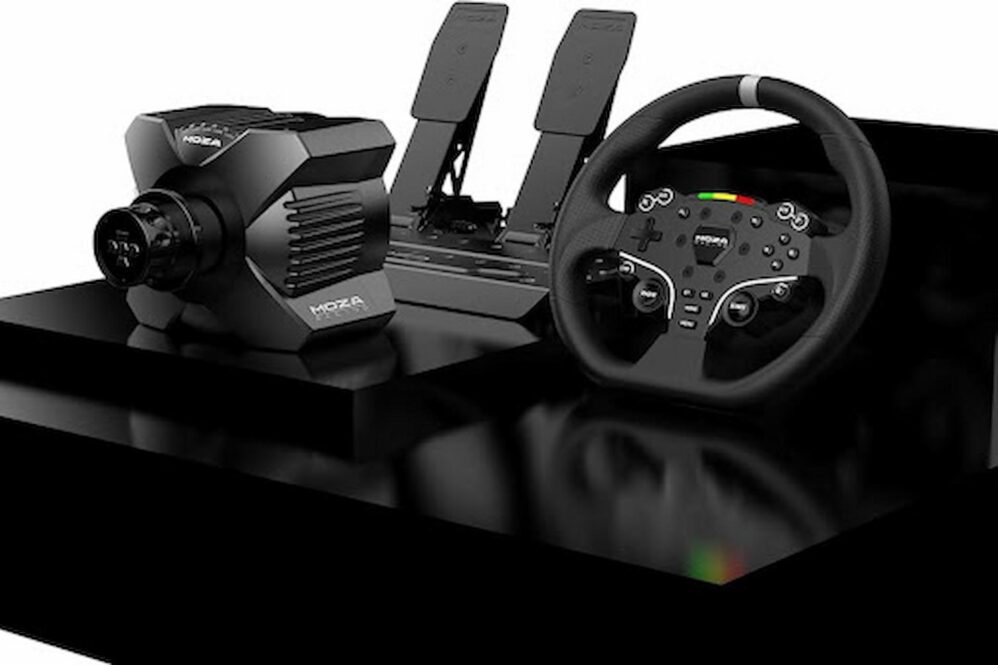
Unlike arcade-style racing games, sim racing leagues prioritize realism and discipline. Drivers are expected to train methodically, follow sporting codes, and compete across full race distances. As participation has grown, accessible hardware like the Moza R3 bundle has helped many drivers take their first step into league racing by offering dependable performance without unnecessary complexity. This balance of structure and accessibility has allowed sim racing to gain credibility among esports organizations, motorsport professionals, and serious racing communities.
What Defines a Competitive Sim Racing League
A competitive sim racing league is an organised racing structure governed by predefined rules, schedules, and performance metrics. Participation typically requires adherence to sporting codes similar to real-world racing.
Key defining characteristics include:
- Fixed calendars with scheduled race events
- Standardised car and track selections
- Stewarding and incident review systems
- Points-based championship standings
- Skill-based matchmaking or licensing requirements
These elements ensure fairness and allow drivers to compete on equal terms, regardless of location.
League Structures and Competition Formats
Sim racing leagues use several competition models, each serving different skill levels and participation goals.
Season-Based Championships
These mirror traditional motorsport seasons. Drivers compete across multiple rounds, earning points toward an overall championship.
Common features include:
- Weekly or biweekly races
- Dropped-score systems to balance consistency
- Separate driver and team standings
This format rewards long-term performance rather than single-race success.
Split-Based Racing Systems
Many sim racing platforms divide participants into performance-based splits to ensure balanced competition. Faster drivers are grouped together, while newer or developing competitors race in lower divisions that better match their current ability. This approach creates closer racing across all skill levels, reduces large performance gaps within individual races, and provides clear progression paths through promotion as drivers improve over time.
Ladder and Ranking Leagues
Some leagues use ranking ladders where drivers gain or lose positions based on results. Advancement depends on repeated performance rather than one-off wins.
This structure appeals to drivers focused on personal improvement and competitive benchmarking.
Skill Progression and Driver Development
Competitive leagues are designed to develop drivers gradually. Success depends not only on speed but also on race awareness and discipline.
Core Skills Required
Drivers in organised leagues are evaluated on:
- Consistency over long race distances
- Tire and fuel management
- Situational awareness during overtakes
- Compliance with sporting regulations
Raw pace alone rarely leads to sustained success.
Learning Through Structure
Leagues provide feedback loops that accelerate learning. Post-race reports, steward decisions, and data analysis tools help drivers identify weaknesses and refine techniques.
Over time, competitors develop habits similar to professional racers, including preparation routines and strategic planning.
Technology and Equipment Standards
While skill remains central, competitive leagues also depend on reliable and consistent hardware. Leagues rarely mandate specific equipment, but performance stability matters.
Entry-level setups often act as stepping stones. For example, many drivers begin their competitive journey using accessible configurations such as the Moza R3 bundle, which offers consistent force feedback and predictable handling. Equipment like this helps reduce variability, allowing drivers to focus on technique rather than hardware limitations.
The emphasis remains on driver input, not spending power.
Stewarding, Rules, and Fair Play
One of the defining features of competitive leagues is governance. Races are monitored and regulated to maintain integrity.
Rule Enforcement
Most leagues employ:
- Sporting codes outlining acceptable conduct
- Incident reporting systems
- Penalties ranging from time additions to race bans
This ensures accountability and discourages reckless behaviour.
Volunteer and Professional Stewards
Stewarding teams review incidents using replay data and telemetry. Decisions are documented and communicated transparently, reinforcing trust in the system.
Consistent enforcement builds credibility and encourages respectful competition.
Community and Team-Based Competition
Competitive leagues also foster collaboration. Many drivers join teams that operate like real racing organisations.
Benefits of Team Participation
Team-based competition provides:
- Shared strategy and data analysis
- Mentorship between experienced and newer drivers
- Separate team championships alongside individual standings
This structure strengthens the social dimension of sim racing while maintaining competitive rigor.
Community Growth
Forums, live broadcasts, and post-race discussions extend competition beyond the track. These interactions deepen engagement and support long-term participation.
Pathways to Professional Sim Racing
For top-tier drivers, competitive leagues can provide a direct route to professional opportunities. Some championships are officially recognised by motorsport bodies, while others operate in partnership with established esports organisations, giving league results wider industry relevance.
Talent identification within sim racing is largely performance-based. Scouts and teams closely observe high-level league standings, consistency within elite splits, and a driver’s ability to remain composed and disciplined under pressure. Strong, sustained results across these areas can lead to invitations to closed competitions, development programmes, or sponsored team opportunities.
Transition to Real Motorsport
In some cases, sim racing success has opened doors to real-world racing programs. While rare, this crossover highlights the legitimacy of structured virtual competition.
Challenges Facing Competitive Sim Racing Leagues
Despite growth, leagues face ongoing challenges.
Key issues include:
- Maintaining fair matchmaking across expanding user bases
- Preventing unsporting conduct and exploits
- Balancing accessibility with competitive standards
League organisers continuously refine rules and formats to address these concerns.
Why Competitive Leagues Matter to Sim Racing’s Future
Competitive leagues provide the framework that transforms sim racing from entertainment into a discipline. They create measurable goals, enforce standards, and reward dedication.
By offering progression, recognition, and community, leagues sustain long-term engagement. They also establish sim racing as a credible counterpart to traditional motorsport.
Final Thoughts
Competitive leagues within sim racing represent the structured backbone of the digital motorsport world. Through organised formats, clear rules, and skill-based progression, they deliver meaningful competition that rewards consistency, discipline, and respect.
As technology improves and participation grows, these leagues will continue shaping how drivers train, compete, and advance. Whether entering at a grassroots level or pursuing elite competition, sim racing leagues offer a clear path defined by performance rather than chance.