
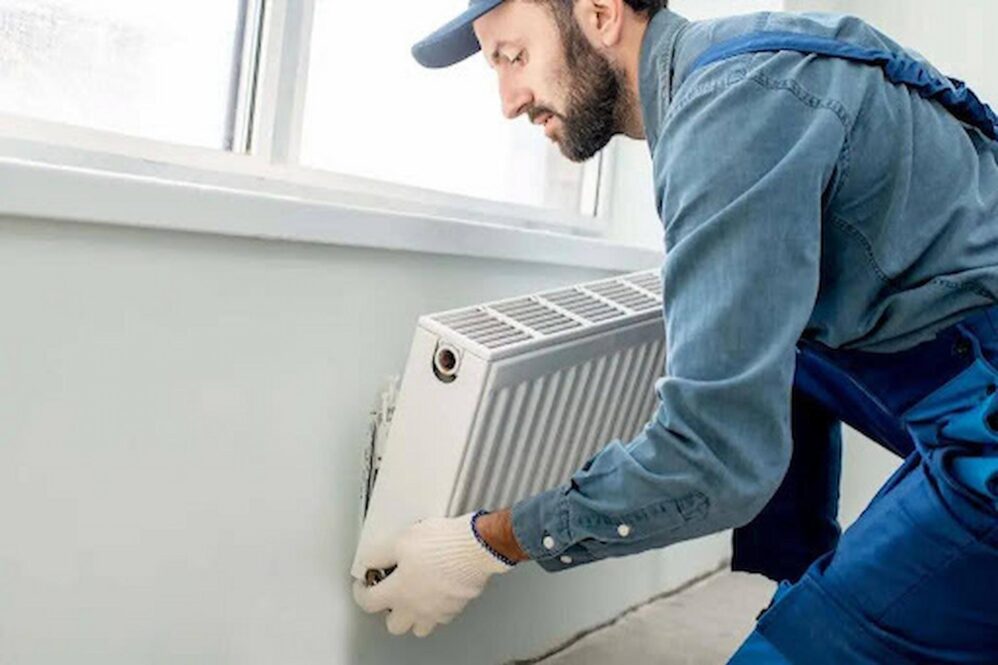
Imagine a room where warmth flows evenly from corner to corner. The right radiator size makes that possible, keeping spaces cozy while avoiding unnecessary energy use. Knowing how to calculate output for each room takes the guesswork out of heating and keeps your home perfectly balanced.
Choosing the correct radiator size is a technical decision that directly affects comfort, efficiency, and running costs. Radiators that are too small struggle to heat a space, while oversized units cycle inefficiently and reduce temperature control. Accurate calculations prevent both issues. When planning heating layouts, many homeowners rely on Stelrad Radiators for their wide output range and system compatibility, but even high-quality radiators must be correctly sized to perform properly. This article explains how to calculate radiator output based on room characteristics rather than guesswork, ensuring each space receives the heat it actually requires.
Heat Output: The Real Measure of Radiator Performance
Radiator size is determined by heat output, usually measured in watts or BTUs. This figure represents how much heat is needed to maintain a stable indoor temperature under normal conditions. Output requirements vary depending on room volume, insulation, and heat loss. Selecting a radiator without understanding this value often results in uneven heating and higher energy use.
Room Volume and Radiator Sizing
Floor space alone does not define heating demand. Ceiling height significantly increases the volume of air that needs warming. A room with the same footprint but higher ceilings requires greater output to reach and hold the same temperature. Accurate calculations always use length, width, and height together rather than relying on square metres alone.
Insulation Quality and Its Impact on Radiator Size
Insulation determines how quickly heat escapes a room. Well-insulated walls, roofs, and floors retain warmth, reducing radiator demand. Poor insulation allows rapid heat loss and increases required output.
Key insulation factors include:
- Wall construction and cavity insulation
- Roof or loft insulation levels
- Floor exposure to unheated spaces
Ignoring insulation quality often leads to undersized radiators.
External Walls and Windows as Heat Loss Drivers
Rooms with external walls lose heat faster than internal spaces. Large windows and multiple external walls increase output requirements further. Glazing type and window area influence how much additional heat is needed to compensate for loss through glass and frames.
Sizing Radiators for Living Rooms Without Overheating
Living rooms require steady, balanced warmth over long periods. While furnishings help retain heat, large windows and open layouts can increase demand. Radiators in these spaces should prioritise consistent output rather than rapid temperature spikes, ensuring comfort without energy waste.
Creating Sleep-Friendly Temperatures in Bedrooms
Bedrooms typically operate at lower temperatures than living spaces. Correct sizing supports gentle, controlled heating rather than excessive warmth. Over-sizing reduces control and can disrupt comfort, while accurate output ensures stable temperatures throughout the night.
Adjusting Radiator Output for Kitchen Heat Gains
Kitchens generate internal heat from appliances and lighting, reducing reliance on radiators during active use. However, external walls and ventilation still affect heat loss.
Sizing considerations include:
- Reduced output allowance for internal heat
- Compensation for ventilation heat loss
- External wall exposure
Balanced calculations prevent cold periods when appliances are not in use.
Why Bathrooms Demand Higher Heat Output
Bathrooms require higher output than most rooms due to higher comfort expectations and frequent ventilation. Heat also supports moisture control and faster drying.
Radiator sizing here often accounts for:
- Higher target temperatures
- Increased air exchange
- Towel warming requirements
This ensures comfort without extended heat-up times.
The Strategic Role of Hallways and Landings
Hallways and landings influence overall heat movement through the home. While not continuously occupied, insufficient heating here can disrupt temperature balance across rooms. Moderate output supports smoother heat distribution and reduces draught-driven losses.
The Role of Temperature Differentials
Radiator outputs are rated using temperature differentials, commonly Delta T50. Systems operating at lower flow temperatures require increased radiator output to compensate. This is essential when designing efficient, modern heating layouts.
Radiator Design Choices That Affect Output
Radiator style influences how heat is delivered into a room. Panel depth, surface area, and orientation all affect performance. Selection should always prioritise calculated output over visual preference to maintain heating efficiency.
Common Sizing Errors That Undermine Heating Performance
Mistakes that frequently reduce heating efficiency include:
- Ignoring insulation and heat loss factors
- Choosing smaller radiators for appearance
- Failing to account for system temperature
Avoiding these errors improves comfort and system longevity.
Practical Accuracy Tips for Long-Term Performance
To improve calculation reliability:
- Add a small output margin for older buildings
- Recalculate after insulation upgrades
- Consider future heating system changes
These steps reduce the risk of underperformance over time.
Conclusion
Accurate radiator sizing ensures every room receives the right amount of heat without unnecessary energy use. Room volume, insulation, external exposure, and usage patterns all influence output requirements. Ignoring any of these factors leads to inefficiency and discomfort. A structured calculation approach allows heating systems to operate smoothly, improve temperature control, and reduce long-term costs. While product quality matters, correct sizing remains the deciding factor in performance. When paired with correctly calculated output, Stelrad Radiators deliver consistent warmth across different room types. Applying these principles helps create a heating system that performs efficiently today and remains reliable in the future with Stelrad Radiators.